

Minecraft Can Be Good for Your Kid's Drawing Skills
While many parents seek ways to limit screen time, Minecraft can actually help kids develop valuable drawing and design skills. The game’s 3D world-building encourages kids to think in perspective, much like learning two- and three-point perspective in drawing.
One of my students, Carter, used Minecraft to model a modern building after practicing perspective drawing in class. This exercise helped him visualize space, structure, and flow—skills that directly enhance his traditional drawing abilities.
In short, Minecraft fosters creativity, spatial awareness, and problem-solving, all of which contribute to improving drawing skills. Let your kids play, and encourage them to draw their Minecraft creations!

Does Your Kid Dream of Architecture? Drawing Lessons Are a Good Place to Begin!
For kids interested in architecture, perspective drawing is a great starting point. Recently, I introduced my student Carter, age 11, to the world of architecture through perspective lessons. His passion for modern architecture grew as he took on complex house designs.
To deepen his learning, I arranged a meeting with local architect Charles Di Piazza, AIA, at a construction site in Austin. Carter learned about site analysis, design sketches, and the architectural process. This hands-on experience connected his drawing lessons to real-world architecture, inspiring him even more.
This rewarding opportunity highlights the power of combining art and architecture to inspire the next generation of architects.

Small Victories: Drawing to Heal Traumatic Brain Injuries
I am deeply honored to partner with Small Victories in offering drawing lessons for students recovering from traumatic brain injuries. Founded by Cindy and Derrick Wright, Small Victories provides invaluable support to those on their healing journey. Derrick, a veteran who sustained a traumatic brain injury while serving in Iraq, found new purpose and healing through art. His journey, along with Cindy’s unwavering positivity, inspired the creation of Small Victories to help others find purpose through creativity.
By offering drawing lessons, I’m excited to work alongside this incredible organization and assist clients in their recovery process. Learn more about the impact of Small Victories and join us in supporting this cause by donating to help others discover the power of art in healing

Christmas in July?
Looking for a unique Christmas gift idea? Last December, a client asked me to draw a picture of their daughter's house as a special holiday gift. I completed the artwork in just two weeks, balancing it with my regular lessons. Below, you'll find 4 stages of my drawing process. If you're thinking ahead for this holiday season, now is the perfect time to get started! Don’t wait until December—planning early ensures I can create something magical for someone you love. Contact me today to get your personalized gift underway!
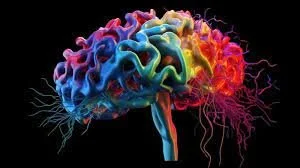
Making Art Is Good for Your Brain
Making art isn’t just a creative outlet—it’s a brain booster! Recent studies are now backing up what many of us have known intuitively for years: creating art enhances brain function. Whether you're a youngster, an older adult, or somewhere in between, the process of making art has positive cognitive effects. A study focused on newly retired individuals (ages 62-70) found that engaging in art-making can delay or even reverse age-related cognitive decline. In contrast, simply learning about art through appreciation showed no such benefits. The key lies in the active "doing" of art, which engages your hands, eyes, and brain in complex ways. This form of global thinking helps improve cognitive function by combining small details with the big picture. Don't just read about it—get your hands in the paint, and boost your brain!

Visual Problem Solving Tricks: A Moving Pencil = Access to New Solutions
Doodling isn't just for fun—it's a proven way to boost focus, comprehension, and memory retention. Studies show that doodling helps prevent daydreaming, keeping the mind engaged and aiding in the absorption of new information. Handwritten notes, especially when paired with doodles, improve retention and help individuals better reconstruct learned concepts over time.
Next time you or your child need a mental reset, encourage doodling. It’s a simple yet effective way to improve learning and productivity.

Feeling Stuck While Learning to Draw: How to Turn a Major Meltdown Into a Brilliant Breakthrough!
If you're passionate about learning to draw, it's inevitable: some days will feel like a struggle. As artists, we sometimes face the "uncanny valley" of drawing—when your creation just doesn't match the vision in your head, leading to frustration and self-doubt. But this is part of the process! Even young artists like Emily experience these challenges. Through understanding emotions, like anger or disappointment, and embracing the struggles, breakthroughs happen. Drawing isn't just about technical skills, it's about persistence, self-awareness, and accepting the messy parts of the creative journey. If you’ve ever felt stuck, remember—embrace the bumps, and breakthroughs are just around the corner!

Can Your Kid Draw On Demand? Why, Yes!
It takes time for children to apply drawing lessons to their own creative work. Kids under 10 may integrate new skills more slowly due to brain development, while children over 10 typically progress faster.
Ellie, 11, is a great example. After 37 hours of lessons, she progressed from a basic drawing of a toy sheep to a detailed, shaded portrait. Her growth shows how consistent practice helps children develop key skills like patience, observation, and problem-solving.
Through focused lessons, kids can gain the confidence and ability to draw independently and master new techniques over time.